Shelterbelts Across Canada: What They Do & Why Every Rural Property Should Consider One
If you’ve got open ground and a wind that never takes a day off, you’ve probably thought about a windbreak. Here’s what a shelterbelt actually does, and why fall is the right time to start planning one.
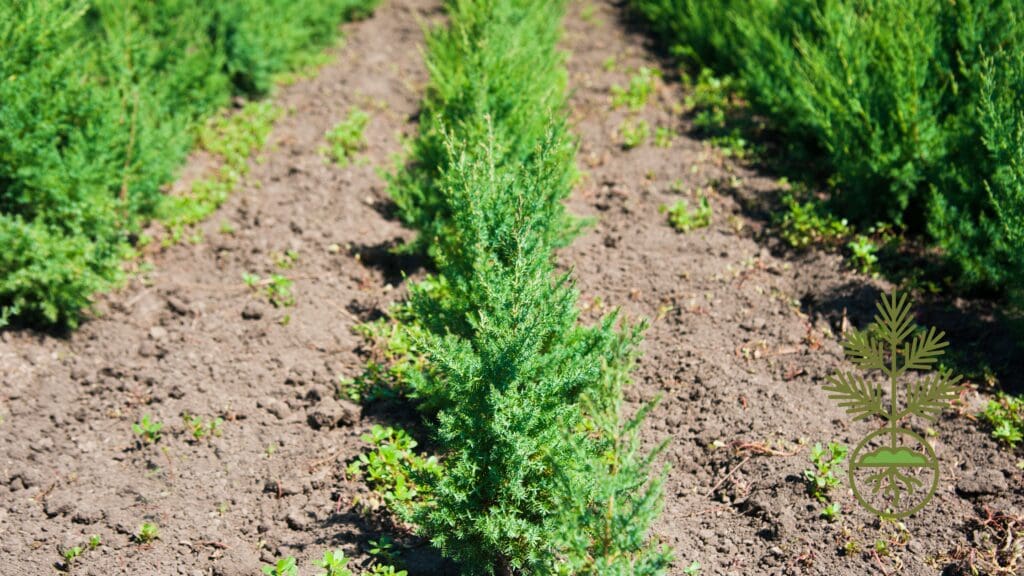
Wind, first and foremost. A well-placed row of trees can cut wind speed for a long stretch downwind. That protection can reach up to 15 times the height of the trees. That means less snow piling against your buildings and less soil lifting off your fields. It also makes for a noticeably calmer yard on a windy day.
Snow management. A shelterbelt catches and holds blowing snow instead of letting it drift across your driveway or pile against the barn. Some producers use that to their advantage, letting the belt trap moisture that feeds the soil come spring.
Erosion and soil health. Bare, exposed ground loses topsoil to wind every year, a little at a time. Roots hold soil in place, and the windbreak itself slows the erosion that would otherwise carry your best soil away.
Wildlife habitat. A mixed row of trees and shrubs gives songbirds, pollinators, and small wildlife real cover and a food source. A wide-open field can’t offer either. It’s a small thing that adds up over years.
The bigger picture. Trees on farmland store carbon and support healthier soil over the long run. That’s on top of everything they’re already doing for your property day to day. It’s not just a windbreak. It’s an investment that keeps paying.
Why now, for a spring 2027 planting
Here’s the part people don’t always expect: we’re already taking orders for spring 2027 delivery. Seedlings ship dormant, starting mid-April and running into early May, and orders are filled first-come, first-reserved. Most varieties are well stocked through December, but after that, things start selling out, especially the edible and flowering varieties. If you have a specific mix in mind, ordering this fall gets you those varieties. Wait too long, and you’ll be choosing from whatever’s left by spring.
Getting your property ready this fall
You don’t need your seedlings in hand to start prepping. In fact, fall is the better time for most of this work.
Rough out your layout. Figure out which direction your wind comes from and decide how many rows you want. Then pencil in your spacing: 10 feet between trees, 3 feet between shrubs, and 8 feet between rows.
Deal with the sod and weeds now. This is the step people skip, and it’s the one that causes the most trouble. Grass and weeds compete with new seedlings for moisture and nutrients. They’re a lot easier to knock back this fall than to fight next summer. A round of tillage or a fall herbicide application on perennial weeds gives your strip a real head start.
Mark your rows. A little flagging tape now saves you guesswork in April. The ground will still be soft, and it’s easy to forget exactly where that fourth row was supposed to go.
By the time your dormant seedlings arrive next spring, your ground will already be ready for them. That beats scrambling to catch up once they’re here.
Not sure what mix of trees and shrubs makes sense for your property? Give the office a call; we’re happy to help you figure it out.