Roots Deep Enough to Weather Anything: Shelterbelts and Farm Resilience
Farming has always required adapting to what the land gives you. Some years bring plenty of moisture and steady conditions. Other years bring dry springs, strong winds, unexpected weather shifts, or long stretches where it feels harder to predict what comes next.
Many Prairie producers know the feeling of watching topsoil move across a field in heavy wind or noticing how quickly moisture disappears after a rain. They also know the quiet difference a shelterbelt can make. Step behind one on a windy day and conditions change almost immediately.
That difference isn’t new.
Shelterbelts were planted across the Prairies as a response to the Dust Bowl and the widespread soil erosion challenges of the 1930s. The Prairie Farm Rehabilitation Administration (PFRA) recognized early that protecting soil, reducing wind, and holding moisture would matter not only for one season, but for generations of farming to come.
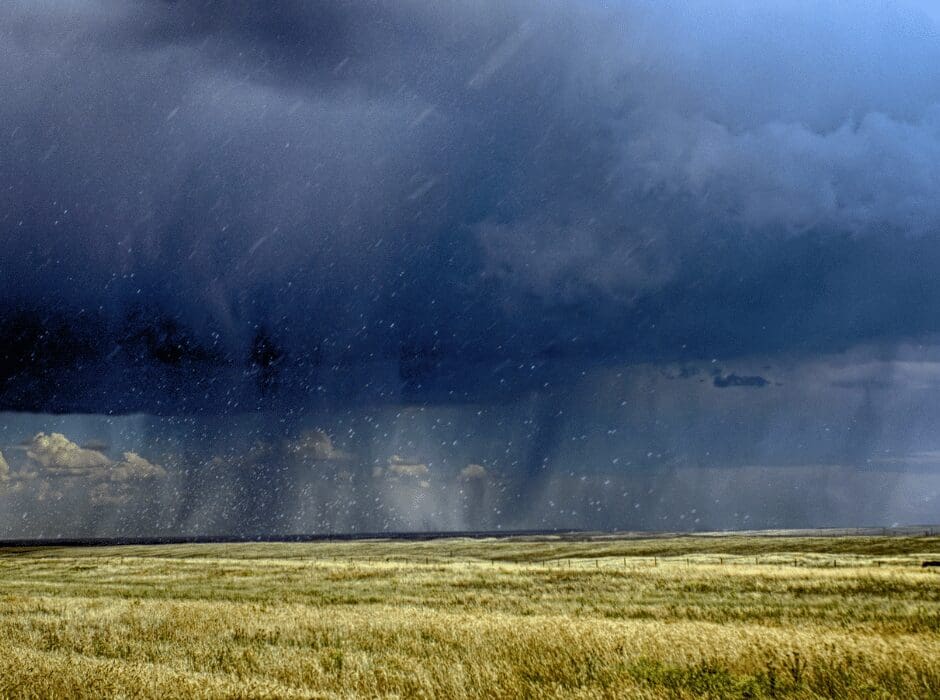
Today, climate resilience has become a common conversation in agriculture. But for many Prairie farms, shelterbelts have been part of that conversation for decades. They are more than trees along a field edge. They are one of the most practical, long-term tools farmers can use to help protect soil, moderate conditions, and build resilience into an operation over time.
Here’s a closer look at how shelterbelts help farms adapt when conditions become less predictable.
Drought Protection: Keeping Moisture Where It Belongs
Dry years have a way of highlighting what works. Farmers who planted shelterbelts years ago often mention noticing the difference most during drought conditions. In many ways, the investment becomes most valuable when growing conditions become more challenging.
One reason comes down to moisture retention.
Wind increases evaporation from both soil surfaces and plants. When shelterbelts reduce wind speed, they also help slow moisture loss between rainfall events. Research referenced in Prairie Shelterbelt Program resources notes wind reductions of 30–80% at ground level within protected zones, creating conditions where soil can hold moisture longer.
Shelterbelts also help capture drifting snow during winter months. Rather than blowing across open land, snow accumulates near protected areas and releases moisture gradually through spring melt, helping replenish soil moisture when crops need it most.
That additional moisture matters. Better moisture retention can support more even emergence, stronger early growth, and improved resilience during dry periods. Less exposure to drying winds also means plants often experience less moisture stress throughout the season.
Farmers who have worked around mature shelterbelts often say the difference becomes most noticeable in difficult years. During drought conditions, retained moisture may help mean the difference between crops struggling to recover and crops remaining productive.
Reduced Soil Erosion: Protecting What You Can’t Replace
Topsoil is easy to take for granted until it starts moving.
Many Prairie producers have experienced the frustration of seeing valuable soil lifted by strong winds and carried elsewhere. The challenge is bigger than appearance. When topsoil is lost, nutrients, organic matter, and long-term productivity often go with it. And unlike damaged equipment or worn infrastructure, healthy soil takes a long time to rebuild.
Research has shown well-established shelterbelts can reduce soil erosion significantly, in some cases by more than 50%. They do this by slowing wind speeds near the ground, where soil movement begins.
An important detail often gets overlooked: effective shelterbelts are designed to slow wind, not stop it completely.
Dense barriers can create turbulence that actually lifts soil. Properly designed shelterbelts allow some airflow through, reducing wind speed gradually and creating more stable protection. It is one of the reasons shelterbelt design matters as much as planting itself.
Protecting topsoil is about more than preserving yield for the next season. It is about maintaining the long-term productivity of land that many producers hope to pass on to future generations. Because once soil leaves a field, replacing it is neither quick nor easy.
Microclimate Moderation: A More Stable Environment Year-Round
Walk behind a mature shelterbelt on a windy winter day and the difference is noticeable. Conditions feel calmer, snow drifts differently, and the environment simply feels less exposed.
Shelterbelts create protected zones that can extend 10–20 times the height of the trees downwind. A row of mature trees may influence conditions across a surprisingly large portion of a field, pasture, or yard site.
That protection can help moderate temperature extremes throughout the year. More stable conditions may reduce stress on crops during the growing season, while livestock often benefit from reduced wind chill in winter and added shelter during warmer months.
These changes are not always dramatic, but they are often noticeable over time. Reduced environmental stress can influence animal comfort, feed efficiency, and overall resilience during harsher conditions.
Shelterbelts may also provide practical benefits around farmyards and infrastructure. Less blowing snow can mean fewer challenges keeping access routes clear, while reduced wind exposure may help lower wear on buildings and shelter heating costs.
Placement matters too. Shelterbelts are commonly established along north and west sides of properties to help protect against prevailing winds, creating practical climate protection built into the landscape itself.
A Long-Term Investment That Gets Better with Time
Many farm investments lose value over time. Shelterbelts often do the opposite. What starts as a row of young trees can become long-term protection for crops, soil, and the farm itself.
The first several years focus on establishment and growth, but as shelterbelts mature, their ability to reduce wind, protect soil, hold moisture, and moderate conditions becomes stronger.
For producers who planted decades ago, the value often becomes clearer over time. What may have started as a row of seedlings becomes protection for crops, livestock, soil, and infrastructure. That is one reason early care matters. Protecting young trees during establishment helps support benefits that may last generations.
Beyond climate resilience, mature shelterbelts can also contribute to biodiversity, wildlife habitat, carbon storage, and in some cases even food production through edible species. But for many farmers, the greatest value remains straightforward: healthier soil, more resilient fields, and better protection when conditions become unpredictable.
Trees take time to grow, which is exactly why planting decisions often matter most years down the road.
The Long View
No farm is immune to changing weather patterns, stronger winds, or increasing uncertainty around moisture and growing conditions. But there are practical steps producers can take today that may make a difference years from now.
Shelterbelts have been helping Prairie farms adapt for generations. They remain one of the most proven tools for protecting soil, moderating conditions, and building resilience over time.
If you’re considering shelterbelts for your property, we’re happy to help think through what might make sense for your land.
Related resources:
Reminder: Seedlings for spring 2026 are sold out. Ordering will reopen in mid-August for spring 2027 delivery.