Uncategorized
Shelterbelts Across Canada: What They Do & Why Every Rural Property Should Consider One
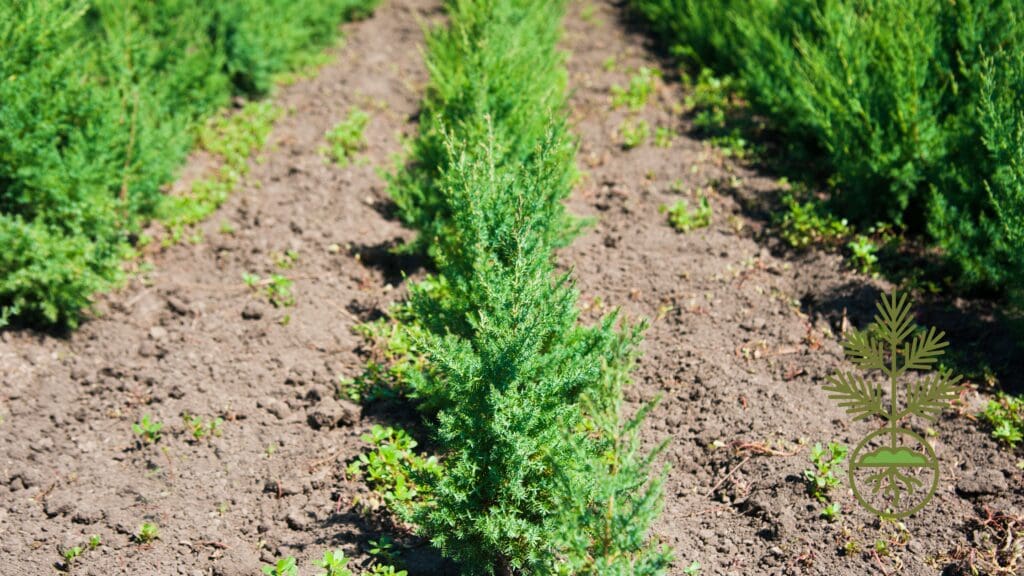
If you’ve got open ground and a wind that never seems to take a day off, you’ve probably thought about planting some kind of windbreak. Here’s what a shelterbelt actually does for a property, and why fall is exactly the right time to start planning for one.
Read MoreLate Summer Care: Easing Your Shelterbelt Seedlings Toward Dormancy
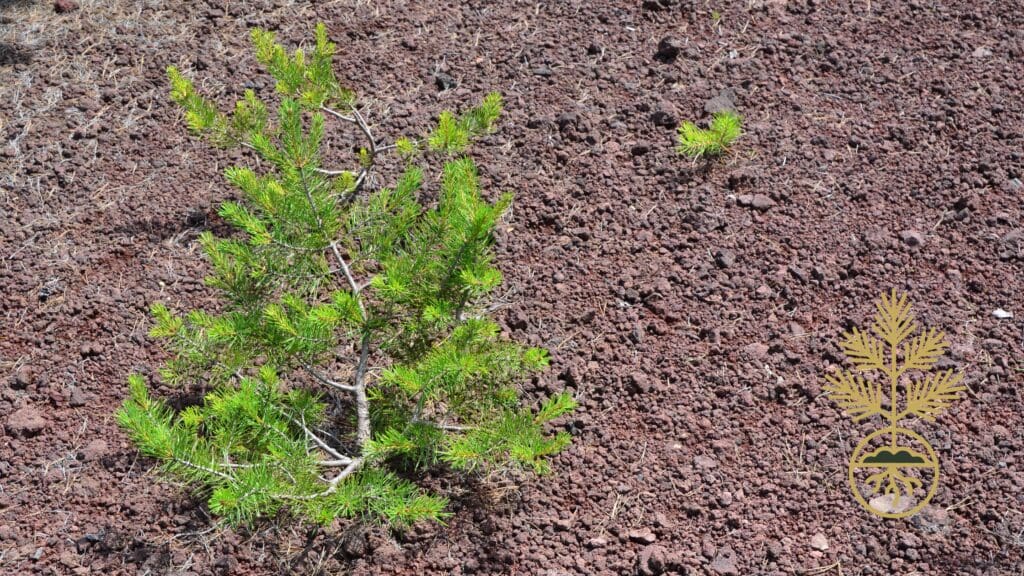
If your seedlings made it through the quiet, slow stretch of early summer, good news: the hardest part is behind you. But late summer isn’t a time to coast either. What your seedlings need in August is different from what they needed in June, and getting this shift right sets them up for a Prairie winter instead of catching them off guard.
Read MoreShelterbelt Seedling Care in the First Year: What’s Normal and What’s Not
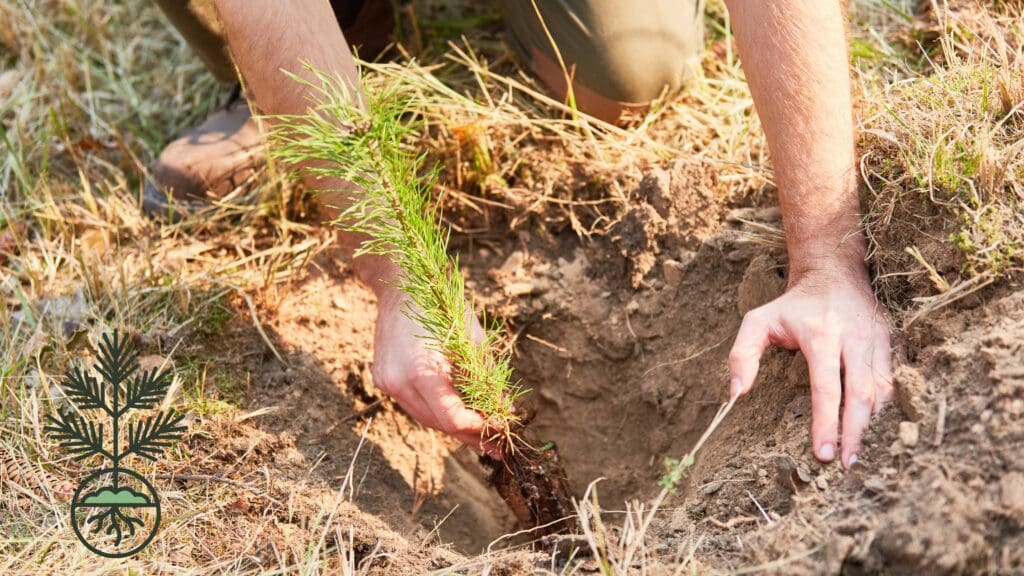
If you planted seedlings from us this spring, July is when the calls start coming in. Someone’s spruce looks smaller than pictured, someone’s larch looks like a bundle of dead sticks. Good shelterbelt seedling care starts with knowing what’s actually normal for a first summer, and what’s worth a call.
Read MoreShelterbelts and Carbon Storage: How Trees on Farmland Support Canada’s Climate Goals
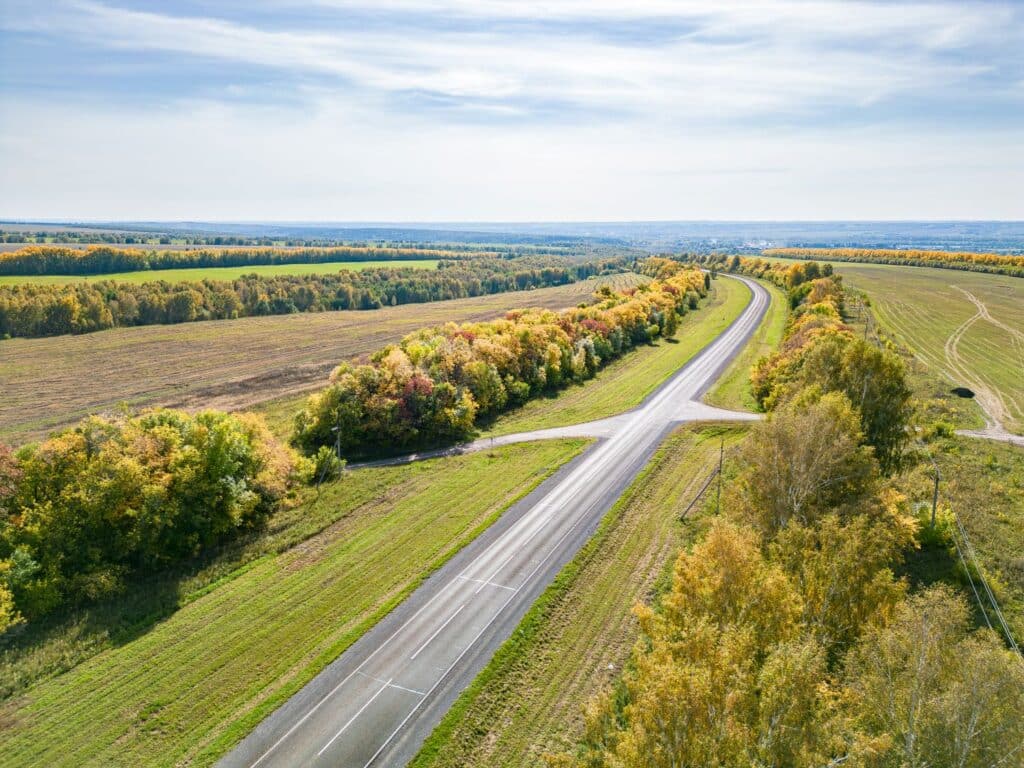
When people think about carbon storage and climate change, large forests often come to mind. However, trees on agricultural land can also play an important role in capturing and storing carbon. Shelterbelts, which have long been valued for protecting crops, livestock, and soil, are increasingly being recognized for their contribution to sustainable agriculture and climate…
Read MoreRoots Deep Enough to Weather Anything: Shelterbelts and Farm Resilience
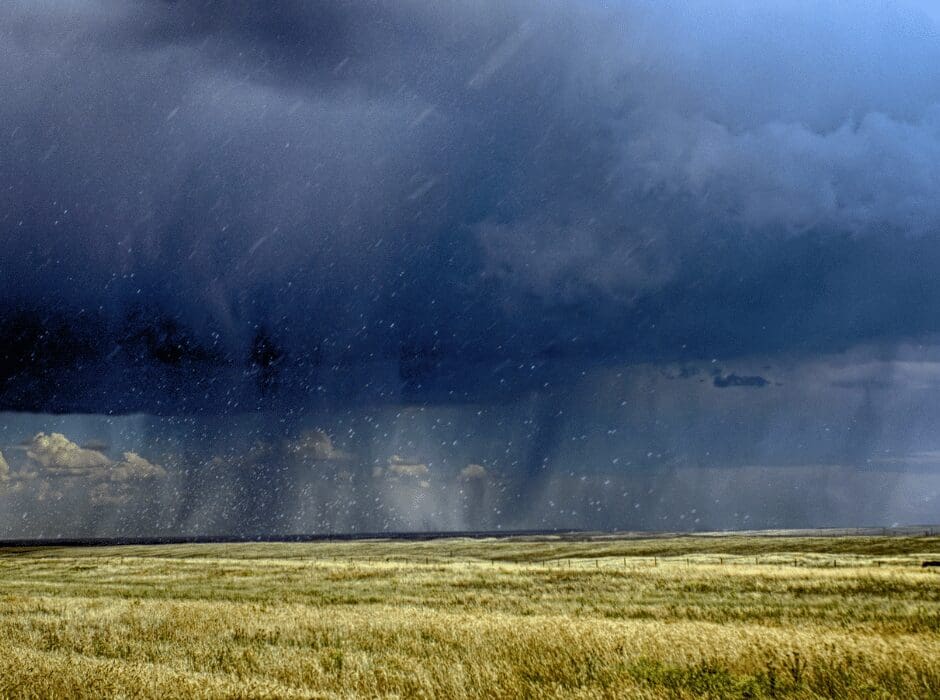
Farming has always required adapting to what the land gives you. Some years bring plenty of moisture and steady conditions. Other years bring dry springs, strong winds, unexpected weather shifts, or long stretches where it feels harder to predict what comes next.
Read MoreMore Yield, Less Spent: What Shelterbelts Actually Do for Your Bottom Line
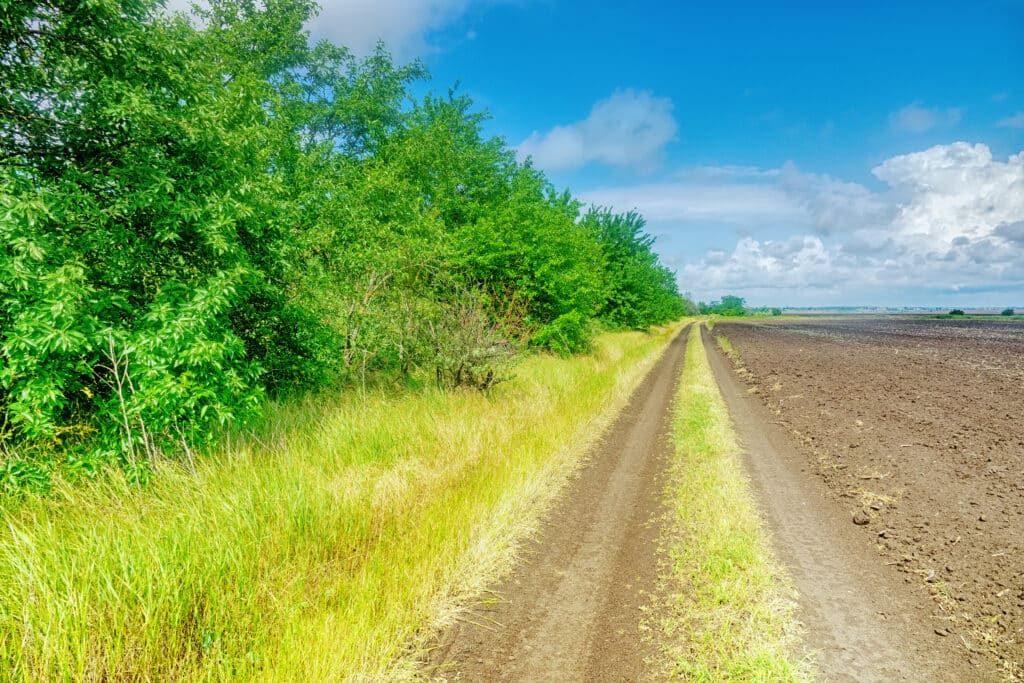
Farming has always involved a lot of balancing. Input costs rise, weather patterns shift, and every season seems to bring a new variable that affects the bottom line. Fertilizer, fuel, seed, moisture, and labour all add up quickly. With so much outside a producer’s control, it’s worth paying attention to the things that can help…
Read MoreWhy Porosity Matters: Rethinking Shelterbelts for Better Dust Control
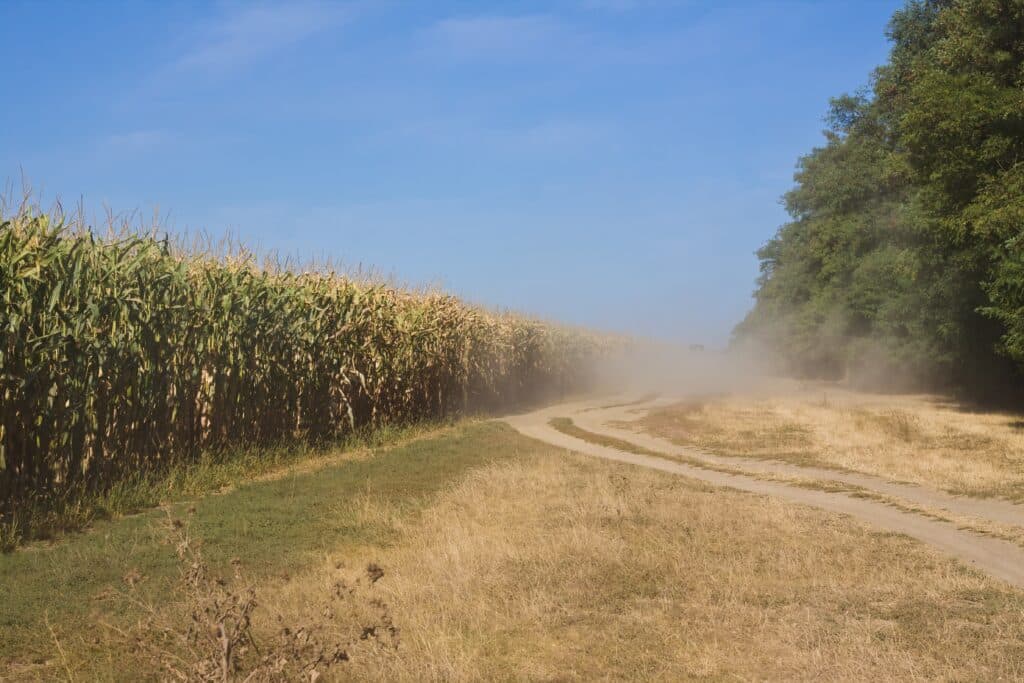
Across the Canadian Prairies, wind and soil movement have always gone hand in hand. When left unmanaged, that movement turns into dust erosion, carrying away valuable topsoil, reducing productivity, and creating long-term challenges for both farmers and rural communities. Shelterbelts were introduced as a direct response to this problem. In fact, the Prairie Farm Rehabilitation…
Read MoreIncorporating Edible Fruit into Your Shelterbelt Landscape

For generations across the Canadian Prairies, shelterbelts have quietly protected farms, acreages, and homesteads from some of the harshest environmental conditions. Traditionally, shelterbelts were designed with a straightforward purpose: stop the wind, trap snow, and prevent soil erosion. They were practical and functional. Today, we have far more hardy options available. Shelterbelts can still perform…
Read MoreHow to Care for Young Shelterbelts in the First Few Years

Planting your shelterbelt is a big step, but what happens after planting is what truly sets your trees and shrubs up for success. In the first few growing seasons, your seedlings are focused on establishing roots and adjusting to their environment. With consistent early care, you can avoid tree stress, support stronger development, and help…
Read MorePlanting Timeline for Every Province: When to Order & When to Plant

One of the most common questions we hear each year is: When should I order my seedlings and when should I actually plant them? Because Canada spans so many climate zones, planting timelines can feel confusing. The good news is that with a bit of planning, ordering early, and understanding how dormant seedlings work, spring…
Read More