More Yield, Less Spent: What Shelterbelts Actually Do for Your Bottom Line
Farming has always involved a lot of balancing. Input costs rise, weather patterns shift, and every season seems to bring a new variable that affects the bottom line. Fertilizer, fuel, seed, moisture, and labour all add up quickly.
With so much outside a producer’s control, it’s worth paying attention to the things that can help land perform more consistently over time. One of those tools has been growing along Prairie field edges for generations: shelterbelts.
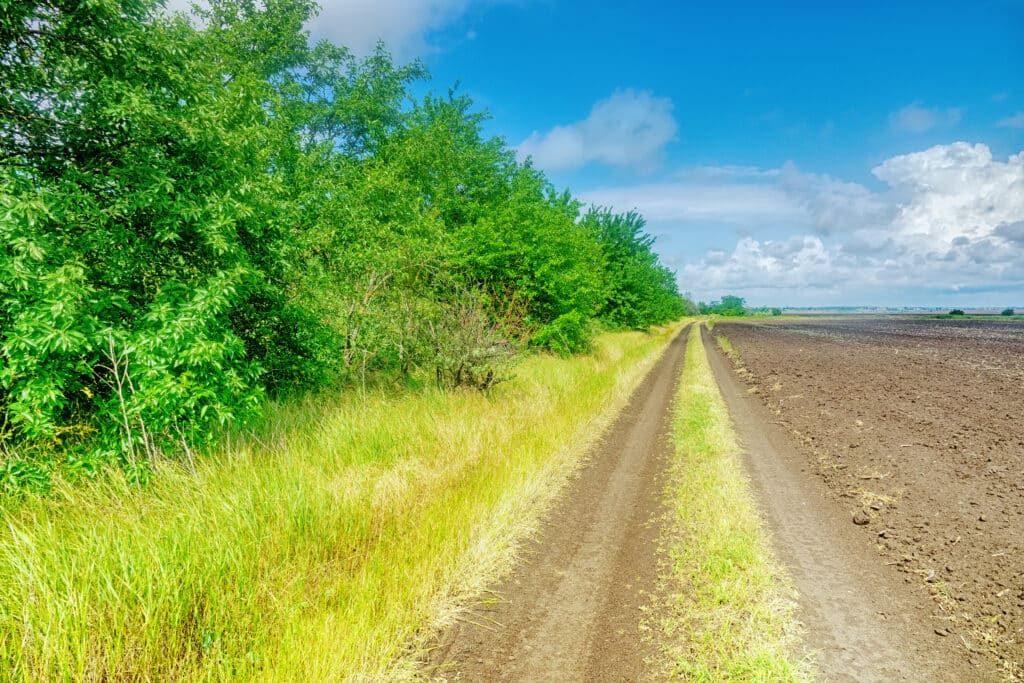
Shelterbelts are often discussed in terms of conservation or wildlife habitat, but decades of Canadian agricultural research from organizations like Agriculture and Agri-Food Canada (AAFC) point to another important benefit too: stronger crop performance and reduced production costs over time.
This isn’t about adding complexity to an operation. It’s about helping the land you already farm work harder for you.
Here’s what the research, and what many Prairie farmers have observed firsthand, tells us.
Wind Reduction: The Mechanism Behind Almost Every Benefit
Most of the advantages associated with shelterbelts trace back to one thing: reduced wind speed. Research has shown shelterbelts can reduce wind speeds at ground level by 30–80% within protected zones. That reduction doesn’t just make fields feel calmer, it changes the entire growing environment.
A properly designed shelterbelt can influence conditions for a distance equal to 10–20 times the height of the trees downwind. In practical terms, a 10-metre shelterbelt may provide benefits extending 100–200 metres into a field.
That matters because wind places constant stress on crops.
Strong winds can:
- Increase moisture loss from both plants and soil
- Damage plant tissue through abrasion
- Disrupt root development in lighter soils
- Strip heat from soil surfaces in spring
- Increase lodging risk in vulnerable crops
Think of it this way: a crop growing under persistent wind pressure is using energy to survive. A protected crop can redirect more of that energy toward growth and production.
Reduced wind means reduced stress, and that becomes the foundation for better moisture retention, healthier plants, and stronger yields.
Moisture Retention: Getting More from Every Raindrop
On the Prairies, moisture is often one of the most limiting factors in crop performance. Shelterbelts help fields retain moisture by slowing evapotranspiration, the process where water is lost from soil and plant surfaces through evaporation and transpiration. Lower wind speeds mean moisture stays available longer after rainfall or snowmelt.
Another Prairie-specific advantage is snow capture. Shelterbelts naturally trap drifting snow, allowing it to accumulate and slowly release moisture into surrounding soils during spring melt. In many cases, this acts like supplemental irrigation exactly when emerging crops need moisture most.
Canadian research has documented higher soil moisture levels in shelterbelt-protected areas compared to open fields, particularly during early-season growth stages.
That additional moisture can contribute to:
- Improved germination rates
- More even crop emergence
- Better early establishment
- Increased resilience during dry periods
- Greater year-to-year consistency
In a dry spring, the benefits of a shelterbelt may become visible early. Better moisture retention can support stronger emergence, more consistent stands, and fewer worries about whether a field needs to be replanted.
Reduced Plant Stress Means Crops Can Focus on Growing
Plants respond to environmental stress much like anything living does… they shift resources toward survival.
When crops experience prolonged wind stress, moisture deficits, or temperature fluctuations, they may reduce photosynthesis, slow growth, and divert energy away from reproduction and grain development. That response protects the plant, but it doesn’t maximize yield.
Research conducted across Canadian Prairie agriculture has shown measurable yield increases in shelterbelt-protected zones, with gains often reported in the range of 10–25% depending on crop type, conditions, and shelterbelt design.
The strongest effects tend to occur closest to the shelterbelt but benefits often extend much farther into the field.
For crops such as canola, reduced wind during flowering may improve pollination and pod development. For cereals like wheat, lower exposure can reduce lodging risk during vulnerable growth stages.
Protected areas may also experience slightly warmer microclimates, helping extend effective growing conditions during shorter Prairie seasons.
For many producers, this isn’t new information. Farmers who’ve worked around shelterbelts often notice the difference themselves. Research just helps confirm what experience has been saying for years: less stress on crops often means better performance.
Reduced Input Costs: Where Savings Start Showing Up
Yield improvements often get the spotlight, but shelterbelt benefits can show up in other places too. Over time, many farmers notice the savings in areas they monitor closely every season.
Protecting Fertilizer Investment
The finest soil particles, often the most nutrient-rich, are also the first to move during wind erosion events. When topsoil leaves a field, nutrients and fertilizer investment go with it. Shelterbelts that reduce erosion help protect both soil productivity and the dollars already spent on crop nutrition.
Better Moisture Efficiency
Where irrigation systems exist, improved moisture retention may reduce water requirements. Where irrigation isn’t available, retained soil moisture can still reduce crop stress and improve consistency. Therefore, every inch of moisture kept in the field matters.
Reduced Crop Damage
Lower wind exposure can mean fewer damaged plants, reduced lodging, and fewer opportunities for physical injury that may increase disease pressure.
Operational Benefits Beyond Crops
For livestock operations, shelterbelts can reduce wind chill exposure, improving animal comfort and feed efficiency. Shelterbelts may also help reduce snow drifting around farmyards, access roads, and infrastructure; lowering time, fuel, and labour spent on snow management. The benefits don’t always show up all at once. More often, they appear over time in several areas across an operation.
The Land You’re Farming Today and the Land You’ll Leave Behind
One of the biggest advantages of shelterbelts is that their value compounds over time. Topsoil protected from erosion continues supporting future crops. Organic matter stays where it belongs. Soils with better structure hold moisture more effectively and often remain productive longer. Healthy land generally produces more and retains more value. That isn’t only stewardship. It is long-term farm economics.
Emerging conversations around carbon sequestration and environmental incentive programs may create additional opportunities for shelterbelt producers in the future, though those programs continue to evolve.
What remains consistent is this:
A shelterbelt doesn’t necessarily reduce productive land. In many cases, it helps the surrounding acres perform better year after year.
Looking at the Long Term
Every farm is different, but Canadian research consistently shows shelterbelts can improve crop performance, moisture retention, and long-term productivity.
If you’re considering a shelterbelt for your property, Prairie Shelterbelt Program is happy to help explore what might work for your operation.